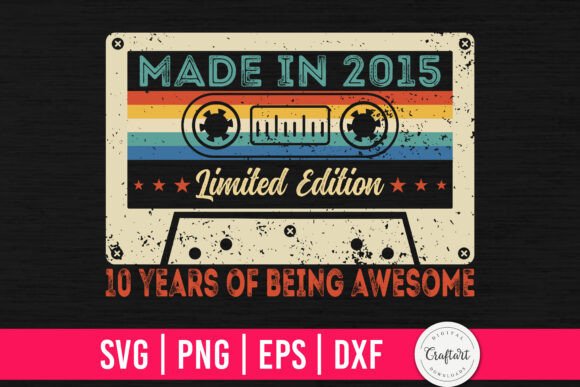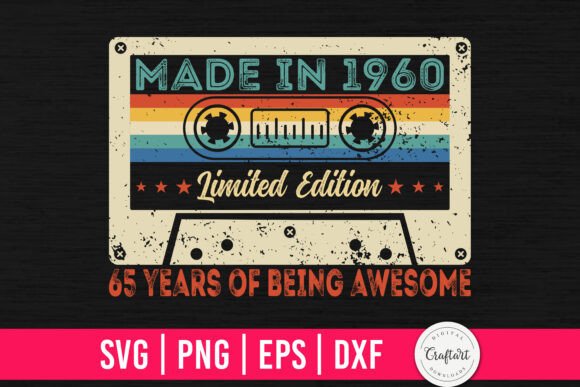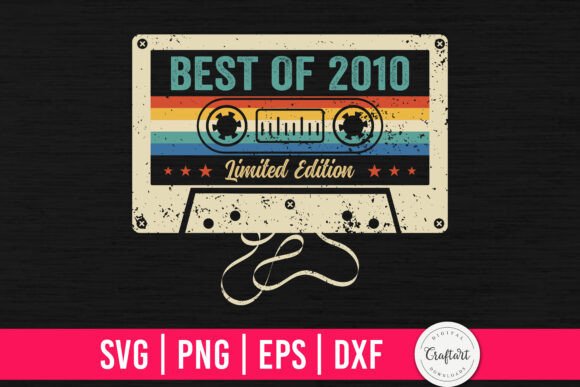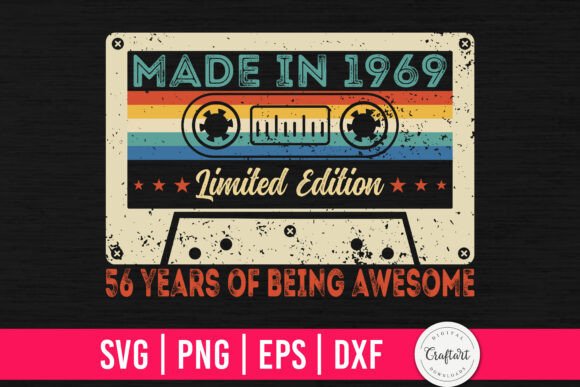
Reviewing Made in 2000 25th Birthday Gifts for Embroidery
As a designer who spends half my life digitizing and the other half stitching, I have learned that not every digital file translates well to thread. We often browse marketplaces looking for the perfect design assets, tempted by clean vector previews, but the real test is always on the fabric. Recently, I evaluated the Made in 2000 25th Birthday Gifts collection to see if it holds up under the needle. This is not just a graphic; it is a milestone marker for a specific generation, and getting the execution right matters.
The product description lists this as an SVG, PNG, DXF, and EPS package, primarily marketed for cutting machines like Cricut and Silhouette. However, many of us in the craft business know that a clean SVG can often be imported into embroidery software to create a custom machine embroidery design. The question is: does the visual weight of this design work for stitching, or is it better suited for heat transfer vinyl? Let’s break it down from a practical, maker’s perspective.
First Impressions and Visual Personality
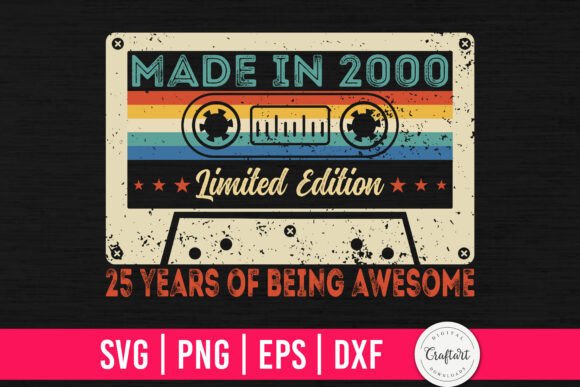
When I first opened the files, the immediate impression was one of nostalgic simplicity. The "Made in 2000" theme carries a retro-modern vibe that appeals strongly to the twenty-five-year-old demographic. For an embroidery project, this is advantageous because overly complex gradients do not translate well to thread. This design relies on bold lines and clear typography, which are essential for readability once stitched.
The mood is celebratory yet understated. It does not scream for attention with excessive embellishments, which makes it versatile. As a reviewer, I look for designs that allow the material to shine. This graphic feels like it belongs on high-quality cotton or a soft fleece, rather than competing with busy patterns. For Etsy sellers and small shop product creators, this visual clarity is crucial. It ensures that the finished product looks professional, not cluttered.
Real-World Application: The Custom Sweatshirt Test
To truly evaluate usability, I imagined a common scenario: a custom order for a friend’s twenty-fifth birthday. The client wanted a personalized gift that felt boutique-quality, not mass-produced. I chose a mid-weight charcoal sweatshirt as the canvas. Using the SVG as a base, I traced the outline in my embroidery software to create a satin stitch border with a light fill.
The result was promising. The bold nature of the text meant that even at a moderate size, the letters remained legible. This is critical for sweatshirt embroidery, where the fabric texture can sometimes swallow fine details. If you are planning to use this for custom apparel, I recommend testing the scale. On a chest pocket area, the design acts as a subtle badge of honor. On the back, it becomes a statement piece. The versatility allows it to function as both a casual wear item and a memorable keepsake.
For those who prefer not to digitize from scratch, this file serves as an excellent reference for creating an applique design. You could cut the letters from contrasting felt or cotton using the included DXF or SVG files, then stitch them down with a simple running stitch or narrow satin stitch. This approach reduces stitch count and prevents the fabric from puckering, a common issue with dense fill stitches on stretchy materials.
Navigating Fabric and Hoop Constraints
While the design is robust, it is not without its challenges. Embroidery designers must always consider stitch density and hoop size. If you are working with a standard 4x4 inch hoop, you may need to resize the design significantly. Be cautious here. Shrinking text too much can cause the threads to merge, turning distinct letters into an illegible blob. Always check your software’s preview mode to ensure there is adequate spacing between characters.
Fabric choice plays a massive role in the outcome. For a tote bag design, heavy canvas provides a stable foundation that supports denser stitching. However, if you are attempting baby embroidery on a onesie, the fabric is thin and stretchy. In this case, the "Made in 2000" motif might be too large or heavy. I would advise scaling it down and using a lightweight stabilizer to prevent distortion. Similarly, for caps or curved surfaces, the design’s width must fit the front panel without wrapping around the sides, which can cause alignment issues during stitching.
Dark fabrics present another consideration. If you are stitching white thread on black fabric, you need high contrast and precise tension. A satins stitch edge can help define the shape against the dark background, preventing the design from looking flat. Always run a test stitch on scrap fabric of the same type and color before committing to the final garment. This simple step saves time, thread, and frustration.
Commercial Viability and Brand Consistency
For commercial embroidery professionals and digital product sellers, the licensing terms are paramount. The product description indicates these are digital files for cutting machines. Before selling any handmade product featuring this design, you must verify the commercial use rights. Many creators assume that purchasing a file grants unlimited resale rights, but this is rarely the case. Check the seller’s policy explicitly.
Assuming proper licensing, this design has strong potential for Q1 and Q2 sales, aligning with birthday seasons. It fits well within the Crafts and Graphics categories for online marketplaces. To maximize appeal, consider offering it as part of a bundle. Pair the embroidered item with a matching printable mockup for social media promotion. High-quality photos that show the texture of the thread against the fabric build customer trust and highlight the value of a handmade item over a printed one.
Brand consistency is also key. If your shop specializes in minimalist, modern aesthetics, this design aligns perfectly. However, if your brand leans toward vintage floral or intricate bohemian styles, this bold, typographic approach might feel out of place. Know your audience. The buyer looking for a "Made in 2000" gift is likely seeking something trendy and recognizable, not ornate.
Practical Designer Notes for Best Results
Before you load this design into your machine, keep these technical tips in mind:
- Stabilizer Selection: Use a cut-away stabilizer for knit fabrics like t-shirts and sweatshirts to provide long-term support. For woven fabrics like tote bags, a tear-away may suffice.
- Thread Colors: Stick to high-contrast combinations. Gold or silver metallic threads can add a premium feel to the "25th" milestone, elevating the perceived value of the personalized gift.
- Detail Inspection: Zoom in on the vector file before converting. Look for any overlapping paths or unnecessary nodes that could cause your machine to jump or thread break.
- Mockup Testing: Create digital mockups in both black and white to ensure the design holds its shape without color reliance. This helps in marketing to a broader audience.
- Wash Testing: Always wash and dry a test sample. This checks for shrinkage and thread bleeding, ensuring your holiday embroidery or birthday gift survives real-life use.
In conclusion, the Made in 2000 25th Birthday Gifts file is a solid candidate for embroidery adaptation, provided you respect the limitations of thread and fabric. It offers a clean, modern aesthetic that resonates with the target demographic. By paying attention to stitch density, hoop size, and fabric stability, you can transform this digital graphic into a tangible, high-quality embroidered patch or garment that customers will cherish. It is a reminder that in our digital age, the tactile quality of a well-stitched design still holds immense power.