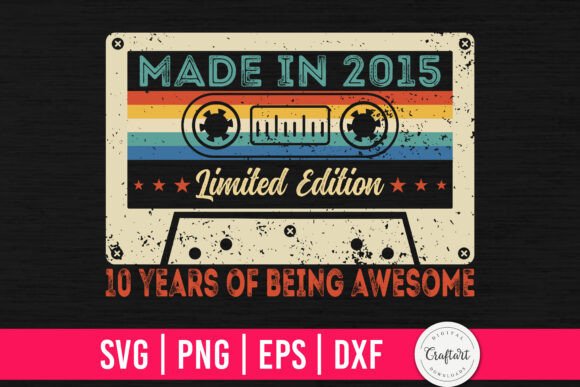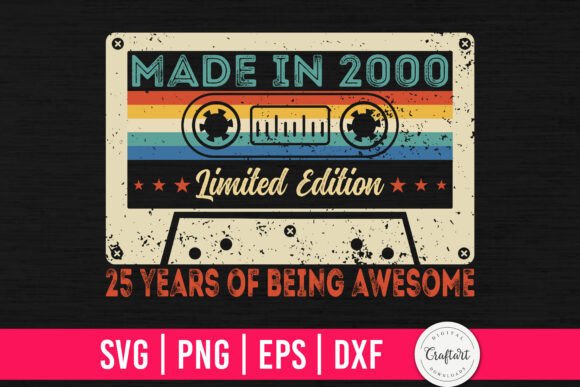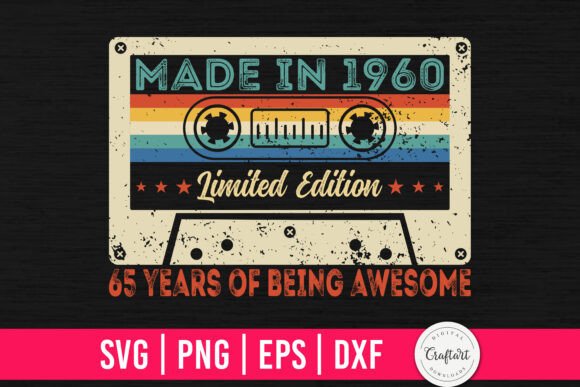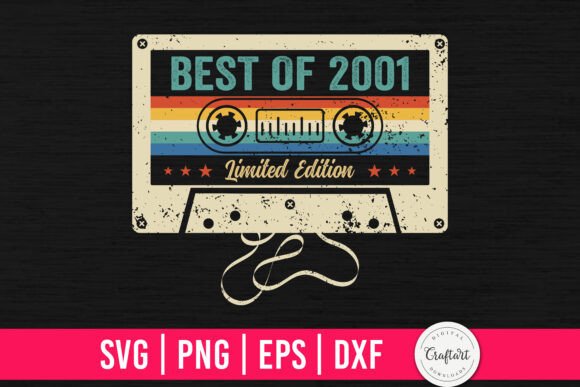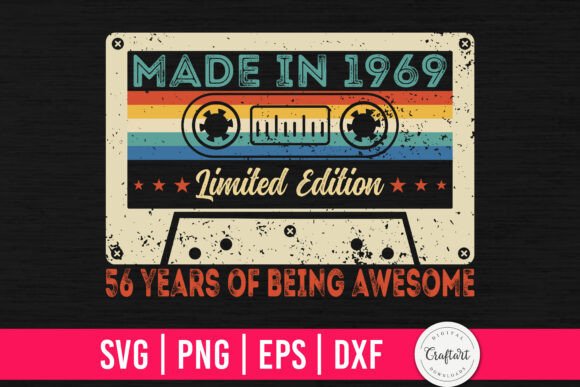
Reviewing Made in 1969 56th Birthday Gifts
As a designer who spends more time staring at stitch simulations than I care to admit, I approach every new machine embroidery design with a mix of curiosity and skepticism. We have all been there: you download a file that looks crisp on the screen, only to watch it turn into a puckered mess on actual fabric. That is why when I pulled up the Made in 1969 56th Birthday Gifts design, my first move was not to hoop it up immediately, but to analyze its structure for real-world application. This is not just about aesthetics; it is about functionality for those of us running a craft business or creating personalized gifts that need to withstand washing and wearing.
First Impressions and Visual Personality
The immediate mood of this design is nostalgic yet celebratory. It taps into a specific cultural moment, which makes it highly relevant for a niche market. For an Etsy seller or a small shop owner, relevance is half the battle. The layout appears balanced, avoiding the common pitfall of overcrowded text that often plagues birthday-themed graphics. When evaluating Graphics in the Crafts category, I look for clean lines and readable typography. This design seems to prioritize legibility, which is crucial when translating digital vectors into thread.
The visual personality suggests a retro vibe, likely appealing to someone turning fifty-six who appreciates their heritage year. It does not scream for attention with overly complex details, which is actually a strength. In embroidery, less is often more, especially when dealing with text-based designs. The simplicity allows the thread texture to shine without getting lost in excessive density.
Real-World Application: The Sweatshirt Test
To truly understand how Made in 1969 56th Birthday Gifts performs, I imagined a specific project: a custom sweatshirt embroidery piece for a client’s milestone birthday. Sweatshirts are tricky. They are thick, often fuzzy, and can be unstable if not handled correctly. I visualized placing this design on the left chest area of a high-quality cotton blend hoodie.
In this scenario, the design’s scale becomes critical. If the text is too small, the satin stitch borders might merge, making the letters illegible. If it is too large, it could feel heavy and stiff on the garment. Based on the typical structure of such digital embroidery files, this design likely relies on a combination of fill stitch for larger areas and satin or running stitches for outlines. For a sweatshirt, I would recommend using a cut-away stabilizer to prevent the design from sinking into the fleece. The result should be a crisp, professional-looking finished product that feels integrated into the fabric rather than slapped on top.
Versatility Across Products
Beyond sweatshirts, where else does this design fit? I see strong potential for tote bag design applications. A canvas tote with this retro birthday message makes for a fantastic holiday gift or a fun accessory for a birthday party. Canvas is stable and handles higher stitch density well, meaning the design should hold its shape nicely without much distortion.
For custom apparel like t-shirts, caution is advised. Thin fabrics require careful stabilizing and potentially lighter thread weights to avoid puckering. If you are an embroidery project enthusiast looking to expand your small shop product line, consider testing this on denim jackets or structured caps. However, curved surfaces like caps require digitizing that accounts for pull and push factors. Since this is provided as an applique design or standard fill file (depending on the specific variant you choose from the svg png dxf eps package), you must verify if it has been optimized for curved hoops.
Technical Considerations for Designers
Let’s talk about the technical side. The product description mentions it is a print-ready file for Cricut and silhouette, which implies it is primarily vector-based graphics. For embroidery, this means you may need to ensure you have the correct embroidery-specific file formats (like PES, DST, or JEF) if they are included, or that you are using software to convert these vectors if they are intended for applique cutting. Always check the license before selling commercial embroidery items. Just because you can cut it does not mean you can stitch and sell it without verifying the terms.
When working with thread colors, contrast is key. This design likely looks best with bold, contrasting threads against the fabric background. For a baby embroidery item, perhaps a onesie for a grandchild born in that era’s spirit, softer pastels might work, but ensure the fabric texture does not obscure the details. Always test the design on scrap fabric first. Check how the running stitch connections hold up after washing. A handmade product loses value quickly if the stitching unravels or the fabric puckers excessively.
Navigating Potential Pitfalls
There are areas where you must use this design carefully. Small hoop sizes might restrict your ability to center the design properly if it is wide. Textured fabrics, like terry cloth towels, can swallow fine details. If you are using this for kitchen towel embroidery, consider increasing the stitch density slightly or using a heavier weight thread to ensure visibility. Dark fabrics require careful color selection; white or bright yellow threads pop, but muted tones will disappear.
Also, be mindful of tiny lettering. If the "1969" or "56th" elements are particularly small, they may not stitch out cleanly on home machines with lower precision. Inspect the small details in your software before sending it to the machine. Use proper stabilizer—tear-away for stable woven fabrics and cut-away for knits. This simple step often separates amateur results from professional design assets.
Enhancing Brand Consistency and Value
Using a well-chosen design like Made in 1969 56th Birthday Gifts can significantly boost your brand consistency. If your shop specializes in retro or personalized items, this design fits seamlessly into your catalog. It enhances customer trust because it shows you understand current trends and historical niches. A printable mockup featuring this design can help buyers visualize the final product, increasing buyer engagement and conversion rates.
For boutique branding, consistency in quality is paramount. Ensure that every item you produce with this design meets the same high standard. Check the back of the embroidery for loose threads and proper trimming. These small details contribute to the overall perception of quality. Whether you are creating an embroidered patch for a jacket or a direct-to-garment stitch, the professionalism of the finish reflects on your brand.
Final Verdict for Makers
In conclusion, Made in 1969 56th Birthday Gifts is a solid addition to your library of digital product previews and production files. It offers a clear, nostalgic theme that resonates with a specific demographic. Its success in your craft business will depend on your technical execution: choosing the right fabric, stabilizer, and thread colors. Do not skip the test stitch. Verify the file formats included in the svg png dxf eps package to ensure compatibility with your workflow. Whether you are a hobbyist making a gift for a friend or an Etsy seller stocking up for birthday season, this design provides a reliable foundation for a memorable personalized gift. Treat it with the technical respect it deserves, and it will serve your projects well.