Stylish Pumpkin with Leopard Print Bow: A Designer's Review
As someone who spends more time staring at stitch previews than I do sleeping during peak autumn season, I am always on the lookout for designs that bridge the gap between traditional harvest themes and modern fashion sensibilities. When I first pulled up the Stylish Pumpkin with Leopard Print Bow vector design on my screen, my initial reaction was one of pleasant surprise. Too often, fall embroidery files lean heavily into the rustic, relying on the same old plaid patterns and muted orange palettes. This piece, however, injects a dose of chic energy that feels fresh without losing the cozy spirit of the season.
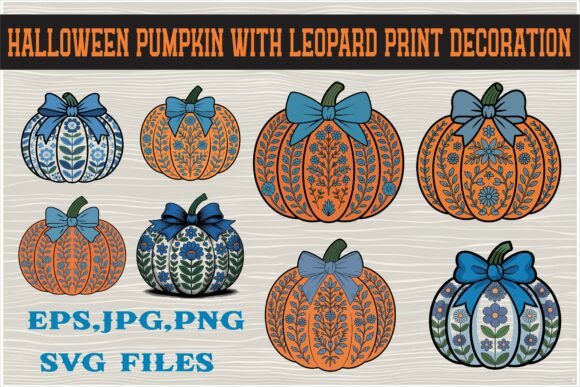
The visual personality of this Graphics asset is distinct. It balances the round, organic shape of a classic pumpkin with the sharp, geometric chaos of a leopard print bow. For an embroidery designer, this contrast presents both an opportunity and a challenge. The mood it creates is playful yet sophisticated, making it an ideal candidate for boutique branding or high-end personalized gifts rather than just generic holiday decor.
Real-World Application: The Boutique Tote Test
To truly evaluate a machine embroidery design, you have to move beyond the digital preview and imagine it stitched out. I immediately envisioned this design on a heavy canvas tote bag design intended for a local farmer's market or a boutique coffee shop's fall merchandise line. Picture a natural or cream-colored canvas bag; the pumpkin provides that expected seasonal nod, but the leopard print bow elevates the entire finished product from "craft fair item" to "fashion accessory."
In this scenario, the design works exceptionally well because it appeals to a broader demographic. A customer who might skip a standard orange pumpkin would likely pause for this stylish iteration. If you are an Etsy seller or run a small shop product line, this kind of visual hook is crucial for buyer engagement. The design suggests that the maker has a keen eye for trends, which builds immediate customer trust and perceived value.
I also see strong potential for sweatshirt embroidery. Placed on the left chest of a heather grey or black crewneck, this motif acts as a subtle statement piece. It avoids the bulkiness of large back prints while still delivering a clear aesthetic message. For custom apparel decorators, this is a winner because it scales well. Whether used as a small accent on a cuff or a central feature on a pillow cover, the composition holds its integrity.
Technical Considerations for Stitching
While the aesthetic is strong, we must discuss the technical execution. Since this is a digital embroidery file derived from a vector graphic, the translation from screen to thread requires careful attention. The leopard print element is the critical factor here. In a vector format, those spots are crisp shapes, but in embroidery, they become a series of fill stitch or potentially complex satin stitch columns depending on how the digitizer handled the conversion.
If you are preparing this as an applique design, the leopard print could be achieved using a patterned fabric, which would solve many density issues. However, if you are stitching it directly onto the garment using thread, you need to be wary of stitch density. High-density areas can cause puckering, especially on stretchy fabrics like jersey knits used for baby embroidery or t-shirts. Before committing to a client project, it is imperative to test the design on scrap fabric that matches your final material.
Pay close attention to the transition points between the pumpkin and the bow. These detailed corners are where registration errors often occur. If the design is too dense, the needle might perforate the fabric excessively, leading to a stiff hand feel. For items like tea towels or aprons that require frequent washing, a softer stitch finish is essential to maintain comfort and durability. Always check if the file allows for density adjustments or if you need to request a modified version from the creator.
Fabric Selection and Hoop Constraints
Not every surface is suitable for this level of detail. While the design is versatile, it demands respect regarding hoop size and fabric texture. On textured fabrics like waffle knit or heavy wool, the fine details of the leopard spots might get lost or appear jagged. Smooth, tightly woven fabrics such as cotton twill, poplin, or high-quality polyester blends will yield the cleanest results.
Curved surfaces present another hurdle. If you plan to use this on a cap or hat, ensure the design fits within the curved hoop limitations without distorting the pumpkin's shape. The bow, being a focal point, should not be placed too close to the seam where the brim meets the crown, as this can cause stitching errors. Additionally, when working on dark fabrics, verify the thread colors provided in the color chart. You may need to manually adjust the sequence to include an underlay or a background fill to make the orange and brown tones pop against navy or black materials.
Commercial Viability and Brand Consistency
For creative entrepreneurs selling design assets or finished goods, consistency is key. This design offers a unique angle for holiday embroidery collections that don't feel repetitive. It allows for a cohesive brand look if you pair it with other modern-twist seasonal items. Using this in printable mockup previews for your online store can significantly boost click-through rates because it stands out in a sea of traditional autumn imagery.
However, a word of caution regarding licensing: since this falls under Crafts and Graphics, always confirm the specific license terms before selling. Some vector-to-embroidery conversions come with restrictions on commercial use or the number of physical items you can produce. Ensure you have the right to use this for commercial embroidery projects to avoid legal headaches down the road.
Final Verdict for Makers
The Stylish Pumpkin with Leopard Print Bow is a standout choice for designers looking to modernize their fall offerings. It transforms a standard seasonal motif into a fashion-forward statement. Its strength lies in its ability to elevate simple items like tote bags and sweatshirts into trendy, giftable products.
My advice is to approach this project with a tester's mindset. Run a sample on your intended fabric, check the tension, and inspect the small details of the leopard print closely. If the stitch count and density are managed correctly, this design has the power to enhance your handmade product presentation and drive sales. It is a perfect example of how a little stylistic risk can pay off in the crowded marketplace of handmade goods. Whether you are creating a personalized gift for a friend or stocking inventory for a holiday craft fair, this design delivers the perfect blend of rustic charm and contemporary flair.