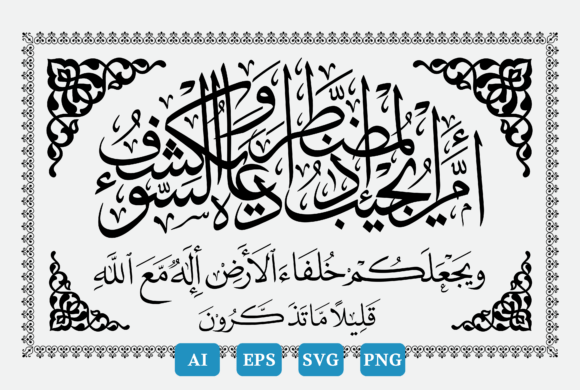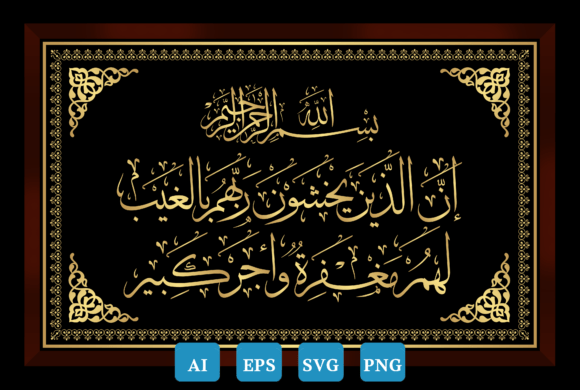
Reviewing Surah Al-an am Ayat 162 Calligraphy Art
As a designer who spends more time staring at stitch simulations than I care to admit, I have learned that not all digital assets translate well to thread. When I first opened the file for Surah Al-an am Ayat 162-Calligraphy Art, my immediate concern was not just aesthetic beauty, but structural integrity. In the world of embroidery, a design can look stunning on a screen yet fail miserably under the needle if the curves are too tight or the density is unbalanced. This piece, rooted in deep spiritual significance, presents a unique challenge and opportunity for crafters. It is not merely a graphic; it is a statement piece that requires careful handling to ensure the final product honors both the text and the craft.
First Impressions: Mood and Visual Flow
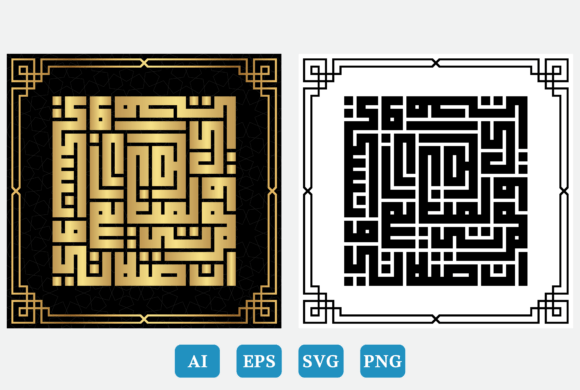
The initial visual impact of this Arabic calligraphy design is one of serene balance. The flow of the script suggests a traditional elegance, which is crucial when working with religious texts. For an embroidery project, the mood set by the design dictates the fabric choice. This particular artwork feels at home on natural fibers—linen, cotton, or high-quality fleece. It does not scream for neon threads or synthetic shines; rather, it calls for matte or semi-matte threads that allow the shape of the letters to take precedence over sparkle.
From a layout perspective, the composition is compact yet airy. This is a vital trait for versatility. A design that is too dense can puckers lightweight fabrics, while one that is too sparse may lack presence on heavier materials like sweatshirt fleece. This design sits in a comfortable middle ground, making it a strong candidate for various applications, from subtle personal touches to bold centerpieces on tote bags.
Real-World Application: The Custom Tote Bag Test
To truly evaluate Surah Al-an am Ayat 162-Calligraphy Art, I mentally placed it on a canvas tote bag, a staple item for many small shop products and Etsy sellers. Imagine a natural, unbleached cotton canvas. The design, stitched in a deep forest green or a classic black, would offer a sophisticated contrast. For a craft business owner, this is the kind of item that sells not just because it is useful, but because it carries meaning.
In this scenario, the clarity of the calligraphy is paramount. If the stitch density is too high, the canvas might stiffen uncomfortably. If it is too low, the fabric grain might show through, breaking the visual continuity of the Arabic script. My recommendation here is to use a medium-weight cut-away stabilizer. This ensures that the hoop size tension does not distort the delicate curves of the calligraphy during stitching. The result is a handmade product that feels premium and durable, enhancing customer trust in your brand consistency.
Versatility Across Apparel and Home Decor
Beyond tote bags, this design shows promise in custom apparel. Consider a high-quality hoodie or a structured cap. For sweatshirt embroidery, the pile of the fabric can sometimes swallow fine details. However, because this is a calligraphic piece, the broader strokes of the script should hold up well, provided you adjust your stitch length slightly to bridge the gaps in the fabric texture. A satin stitch border around the main fill stitch areas could help define the edges, preventing the design from looking fuzzy after multiple washes.
For home decor, such as pillow covers or kitchen towels, the design adds a layer of cultural and spiritual warmth. On a tea towel, however, caution is required. Thin fabrics demand a lighter touch. You must check whether the design assets include a version optimized for smaller scales or lighter densities. If the original file is intended for larger formats, scaling it down for a small corner accent on a napkin might cause the stitches to overlap excessively, leading to thread breaks or fabric bunching.
Technical Considerations for Embroidery Designers
When integrating Surah Al-an am Ayat 162-Calligraphy Art into your workflow, there are several technical checkpoints to consider before hitting "start" on your machine.
- Stitch Density and Underlay: Always review the underlay stitches. For Arabic calligraphy, a proper underlay ensures the top stitches sit flat and do not sink into the fabric. This is especially critical for textured fabrics like terry cloth or waffle knit.
- Thread Color Contrast: Test the design in black and white mockups first. This helps you see if the contrast between the thread and the fabric is sufficient. Low contrast can make intricate calligraphy look muddy from a distance.
- Hoop Size Constraints: Confirm the hoop size required. If you are working with a smaller hoop, you may need to split the design or use a multi-positioning technique, which risks alignment errors. It is often better to choose a project that fits the design’s native dimensions.
- Fabric Stability: Avoid using this design on highly stretchy fabrics without substantial stabilization. The rigid nature of calligraphic lines does not forgive fabric distortion.
Navigating Commercial Use and Licensing
For digital product sellers and commercial embroidery professionals, understanding the license is as important as understanding the stitch count. The product description mentions it is a digital vector format suitable for Cricut and Silhouette, as well as embroidery contexts. This dual utility is powerful but requires diligence. If you are selling finished items, such as embroidered patches or personalized gifts, you must confirm that the license permits commercial use of the finished physical goods. If you are selling the digital embroidery file itself, you need to ensure you have the rights to redistribute the design assets.
Many buyers on platforms like Etsy are looking for ready-to-stitch files that respect religious sensitivities. Ensuring that your listing accurately describes the file type—whether it is a machine embroidery design or a cut file—prevents customer dissatisfaction. Transparency about what is included in the download builds professionalism and reduces refund requests.
Final Verdict: A Thoughtful Addition to Your Library
In conclusion, Surah Al-an am Ayat 162-Calligraphy Art is a compelling addition to a designer’s library, particularly for those specializing in meaningful, culturally rich crafts. It is not a generic graphic; it is a piece that demands respect in its execution. When used correctly, it elevates simple items like baby clothes, caps, or aprons into cherished keepsakes. The key to success lies in testing on scrap fabric, choosing the right stabilizer, and respecting the limitations of your specific embroidery machine.
For the hobbyist, it offers a rewarding challenge in precision. For the small business owner, it provides a unique selling point in a crowded market of generic designs. By paying attention to the details of stitch density, fabric choice, and licensing, you can transform this digital asset into a tangible expression of faith and artistry. Whether you are creating holiday embroidery gifts or building a boutique brand, this design holds the potential to resonate deeply with your audience, provided it is handled with the care it deserves.