Reviewing I Like My Butt Rubbed and My Pork Pulled
As an embroidery designer who has spent countless hours digitizing, testing, and critiquing designs for real-world application, I approach every new file with a mix of curiosity and skepticism. We have all seen the surge in humorous, BBQ-themed graphics flooding the Crafts market, but not all of them translate well from a digital screen to actual thread on fabric. Today, I am taking a close look at I Like My Butt Rubbed and My Pork Pulled, a design that promises to bring some levity to your next project. This is not just about whether the joke lands; it is about whether the Graphics hold up under the needle.
First Impressions and Visual Personality
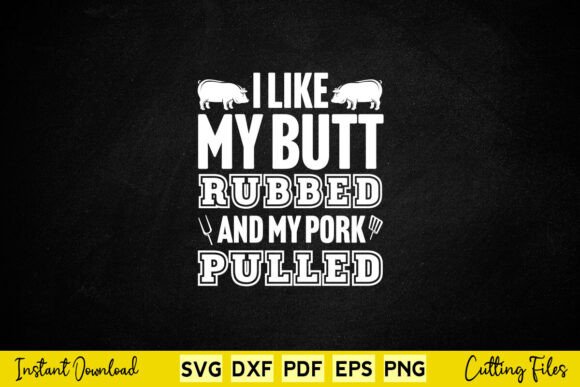
The first thing that strikes me about I Like My Butt Rubbed and My Pork Pulled is its confident, playful tone. It taps into the popular culture of backyard barbecues and pitmaster pride, making it an instant conversation starter. Visually, the layout appears balanced, likely combining bold typography with illustrative elements that suggest smoke, meat, or grilling tools. For a design intended for custom apparel and personalized gifts, this kind of immediate visual recognition is crucial. You do not want your customer squinting to understand the punchline.
The mood here is casual and rugged. It feels right at home on a worn-in denim jacket or a heavy cotton tee. However, as a reviewer, I look past the humor to the structural integrity. Does the text flow naturally? Are the illustrative components too dense for a standard home machine? These are the questions that determine if a design is merely cute or genuinely usable for a craft business.
Real-World Application: The Sweatshirt Test
To truly evaluate I Like My Butt Rubbed and My Pork Pulled, I imagine placing it on a mid-weight fleece sweatshirt. This is a staple item for any Etsy seller or small shop product line. The texture of fleece can be tricky; it requires careful attention to stitch density and stabilizer choice. If this design relies heavily on wide fill stitch areas without proper underlay, it risks sinking into the nap of the fabric, losing definition.
In this scenario, the design’s performance would depend on how well the digitizer handled the transition between text and image. A successful execution would see the letters sitting proudly on top of the fabric, crisp and legible. If the design includes fine details, such as smoke wisps or small garnish elements, these need to be simplified. Complex details often get lost in embroidery, turning into muddy blobs of thread. For a finished product meant to be washed and worn, clarity is king.
Versatility Across Product Lines
Beyond sweatshirts, where else does this design shine? I see strong potential for tote bag design applications. A canvas tote with this witty phrase makes for a fantastic gift for the grill master in your life. The flat surface of a tote bag allows for larger hoop sizes, meaning you can maximize the impact of the embroidery file without worrying about curvature distortion.
It could also work well as an embroidered patch. Patches are trending, and a humorous quote like this adds character to backpacks, hats, or jean jackets. When adapting a design for a patch, however, you must consider the border. A satin stitch border needs to be clean and consistent. If the original I Like My Butt Rubbed and My Pork Pulled file is not optimized for a cut-edge or merrowed edge finish, you may need to do some additional digitizing work yourself.
Technical Considerations and Constraints
While the concept is strong, there are areas where caution is advised. One major concern with text-heavy designs is readability on textured fabrics or dark fabric. If the design uses thin fonts or intricate serifs, they may not stitch out cleanly on terry cloth towels or rough linen. I always recommend running a test stitch-out on scrap fabric that matches your final product material. This is non-negotiable for professional commercial embroidery standards.
Another critical factor is hoop size. If you are planning to put this on a cap, you are limited by the curved surface and smaller hoop area. Caps require designs that are not too tall, or they will distort when worn. If I Like My Butt Rubbed and My Pork Pulled has a vertical orientation, it might need to be resized or re-digitized specifically for headwear. Always check the dimensions provided in the download package against your machine’s capabilities.
Furthermore, consider the thread colors. BBQ themes often utilize warm tones—reds, oranges, browns, and blacks. Ensure you have high-quality threads that offer good coverage. Cheap thread can fray and break, especially in dense areas. A poor quality thread job can ruin the perceived value of even the best design assets.
Enhancing Product Value and Brand Consistency
Using a well-executed design like I Like My Butt Rubbed and My Pork Pulled can significantly boost the perceived value of your handmade product. Customers are willing to pay more for items that look professional and unique. A sloppy stitch-out, however, damages trust. By ensuring that your tension is correct and your stabilizer is appropriate for the fabric weight, you elevate the design from a simple print to a premium textile art piece.
For digital embroidery file sellers, providing multiple formats and sizes is key. While the product description mentions SVGs for printing, embroidery machines require specific formats like PES, DST, or JEF. If you are using this design for client projects, confirm that you have the correct file type for your machine. Never assume compatibility. A professional embroidery project starts with the right technical foundation.
Practical Designer Notes
- Test on Scrap Fabric: Always run a test stitch on the same material you plan to use for the final item. This helps you identify any pulling or puckering issues early.
- Check Thread Contrast: Ensure your thread colors stand out against the fabric. High contrast improves readability, especially for humorous text designs.
- Review Stitch Density: If the design feels stiff after stitching, the density may be too high. Adjust your settings or choose a lighter stabilizer.
- Confirm Hoop Size: Measure the design dimensions against your hoop. Do not force a large design into a small hoop, as this causes distortion.
- Inspect Small Details: Zoom in on the digital preview. Are there tiny elements that might break during stitching? Simplify if necessary.
- Licensing Check: Before selling items made with I Like My Butt Rubbed and My Pork Pulled, verify the license terms. Some files are for personal use only, while others allow commercial sales.
Final Verdict for Makers and Sellers
In the crowded world of Crafts and Graphics, I Like My Butt Rubbed and My Pork Pulled stands out for its humor and thematic relevance. It is a design that speaks directly to a specific audience: the BBQ enthusiast, the dad who loves to grill, or the friend who appreciates a good laugh. For the creative entrepreneur, it offers a ready-made solution for holiday gifts, Father’s Day promotions, or summer collection launches.
However, its success depends entirely on execution. As with any applique design or standard embroidery file, the magic happens in the stitching. Pay attention to your materials, respect the limitations of your machine, and always prioritize quality over speed. If you approach this design with a professional mindset, testing and refining as you go, it can become a reliable staple in your portfolio. Whether you are creating a baby embroidery item for a quirky shower gift or a rugged sweatshirt embroidery piece for your boutique, this design has the potential to delight. Just remember: the joke is funny, but the craftsmanship is what sells.