Father Dad Son Vintage Silhouette: A Designer's Review
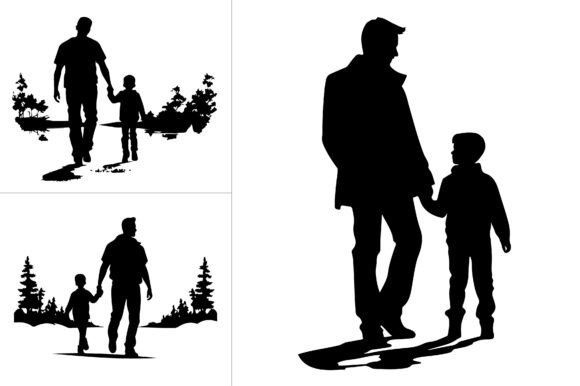
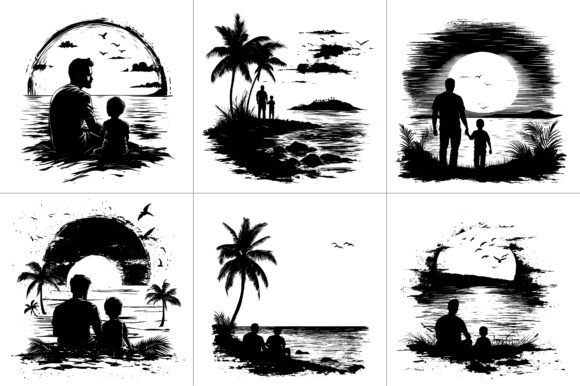
When I first pulled up the Father Dad Son Vintage Style Silhouette on my screen, I wasn't looking for flashiness. As someone who spends hours digitizing and stitching for clients, I know that the most powerful designs are often the quietest. This graphic immediately struck me with its understated emotional weight. It captures a specific moment in time—the protective stance of a father, the curiosity of a son—without needing intricate shading or complex color palettes. For us in the Crafts and Graphics space, finding a line art vector that translates well from a digital file to a physical embroidery project is half the battle. This design feels like it belongs on a heirloom, not just a trendy t-shirt.
The First Impression: Mood and Market Fit
The visual personality of this silhouette is distinctly nostalgic. The "vintage" aspect isn't just a filter; it's in the clean, uncluttered lines that mimic old-school ink drawings. When evaluating this for real-world use, my mind immediately went to the current market trends on Etsy and at local craft fairs. Customers are craving authenticity. They want personalized gifts that feel handmade and thoughtful, not mass-produced. This design delivers that feeling instantly. It works beautifully as a standalone motif or as part of a larger composition involving names and dates. The simplicity means it won't date quickly, making it a safe bet for a small shop product line that needs longevity.
Real-World Application: The Custom Sweatshirt Scenario
Let's walk through a realistic scenario. Imagine a client comes to you needing a matching set for a family photo shoot or a Father's Day surprise. They want something coordinated but not cheesy. This is where the Father Dad Son Vintage Style Silhouette shines. I can visualize this stitched onto a heather grey crewneck sweatshirt using a contrasting white or cream thread. Because the design is essentially line art, it avoids the heavy density that often makes sweatshirt embroidery feel stiff and uncomfortable against the skin.
In this application, the design acts as a focal point on the left chest or centered on the back. If I were producing this for a boutique, I might pair it with a script font for the family surname underneath. The result is a custom apparel piece that looks professional and high-end. The customer isn't just buying a shirt; they are buying a memory. The reaction from the end-user is usually one of immediate connection because the imagery is universally recognizable yet intimate.
Technical Performance in Embroidery
Transitioning from a PNG or vector graphic to a machine embroidery design requires a critical eye. Since the product description notes these are high-resolution PNG files with transparency, the onus is on the embroiderer to ensure the digitization (or auto-digitizing) respects the original intent. The clean lines suggest that a simple running stitch or a very narrow satin stitch would be ideal to maintain that "drawn" look. Avoiding heavy fill stitches is crucial here; too much density would lose the vintage aesthetic and turn the silhouettes into solid blobs, losing the definition between the figures.
For those creating an embroidered patch, this design is excellent. The distinct outlines allow for a merrowed edge or a tight satin border that frames the figures perfectly. However, if you are stitching directly onto fabric, you must consider the stitch density. On a tote bag design made of canvas, you have more room for error, but on a delicate baby onesie, every stitch counts. The open nature of the silhouette helps here, as it allows the fabric texture to show through, integrating the design into the garment rather than sitting heavily on top of it.
Navigating Fabric Challenges
While versatile, this design does demand respect regarding fabric choice. On dark fabrics, the contrast is your best friend. A light thread on a navy or black background makes the silhouette pop, enhancing the visual appeal. However, on textured fabrics like thick wool or looped towels, fine lines can get lost. If you are attempting sweatshirt embroidery on a fuzzy fleece, you may need to adjust the stitch length or slightly thicken the lines in your digitizing software to prevent break-up.
Curved surfaces present another challenge. If you plan to put this on a cap, the center front panel is the only viable spot. The side-to-side width of the father and son figures needs to fit within the standard cap hoop constraints without distorting. Always test on a scrap piece of the actual garment first. There is nothing worse than ruining a client's expensive jacket because you didn't account for the stretch of the fabric or the curve of the seam.
Building Brand Value and Trust
Using a cohesive design like the Father Dad Son Vintage Style Silhouette across your product range builds brand consistency. Whether it's on a pillow cover for nursery decor, a tea towel for a housewarming gift, or an apron for a BBQ enthusiast, the design signals quality. It tells the buyer that you care about the details. In the world of commercial embroidery, trust is currency. If your finished products look crisp and the designs are well-chosen, customers return. They recommend you to friends. This specific graphic has that "giftability" factor—it looks expensive but is accessible to produce.
For the Etsy seller or creative entrepreneur, this asset is also gold for marketing. Because the lines are so clean, it creates stunning printable mockups. You can easily overlay the design onto product photos to show potential buyers what the final item could look like without having to stitch every single sample first. This saves time and money while maintaining a professional storefront presentation.
Essential Designer Notes for Execution
Before you start stitching for profit, keep these practical tips in mind:
- Stabilizer Selection: Match your stabilizer to the fabric, not just the design. For stretchy knits, a cut-away stabilizer is non-negotiable to prevent distortion over time.
- Thread Contrast: Test your thread colors against the fabric in natural light. What looks good on the screen might vanish on a dark green hoodie.
- Hoop Size Verification: Ensure the design fits your available hoop sizes, especially if you are working with smaller items like baby socks or hat brims.
- Licensing Check: Always confirm the license terms included with the digital embroidery file or graphic. Ensure you have the right to sell finished physical goods if that is your business model.
- Detail Inspection: Zoom in on the digitized version. Are the tiny gaps between the legs or arms wide enough to stitch out cleanly? Tiny details often need manual tweaking.
In conclusion, the Father Dad Son Vintage Style Silhouette is more than just a clipart image; it is a versatile tool for the modern maker. It bridges the gap between digital convenience and tactile warmth. Whether you are a hobbyist making a gift for your own family or a business owner scaling up your holiday collection, this design offers a reliable foundation for creating meaningful, high-quality work. Just remember to respect the materials, test your setup, and let the simplicity of the design do the heavy lifting.