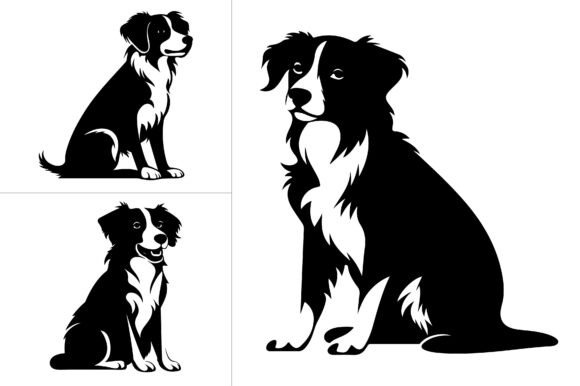
Dog Silhouette Vector: A Designer's Take on Real Embroidery Use
As someone who spends hours digitizing, stitching, and critiquing designs for clients, I approach every new embroidery file with a mix of curiosity and skepticism. When I first opened the Dog Silhouette Vector, my immediate thought wasn't about how cute it looked on the screen, but how it would translate under the needle. In the world of crafts and graphics, a clean silhouette often promises ease of use, but the devil is always in the details—specifically, how those details hold up when turned into a machine embroidery design on actual fabric.
The mood of this design is timeless and versatile. Silhouettes carry a certain elegance; they strip away the noise of internal detail and focus purely on form. For a handmade product creator, this is gold. It means the design can sit comfortably on a rustic linen tote bag design or a sleek, modern sweatshirt embroidery without clashing with the texture of the material. The visual personality here is understated yet impactful, making it an excellent candidate for custom apparel where the wearer wants to express love for their pet without wearing a cartoonish graphic.
Putting the Design to the Test: A Real-World Scenario
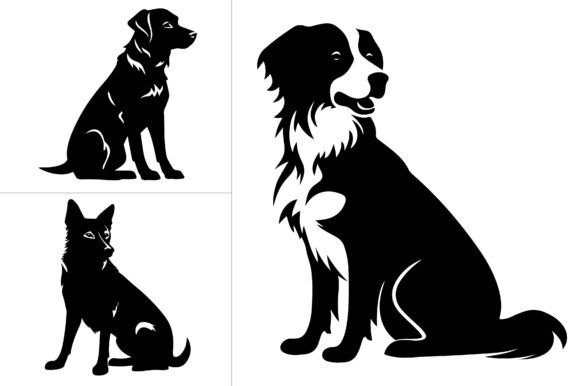
To truly evaluate the Dog Silhouette Vector, I imagined a specific project: a custom order for a boutique client who wanted matching embroidered patches for a line of canvas aprons. The goal was a minimalist look that would appeal to dog walkers and pet sitters. Using the provided files—which include high-quality PNGs, an EPS vector, and an SVG—I could easily scale the graphic to fit a standard 4x4 hoop without losing edge definition.
In this scenario, the clarity of the outline is paramount. If the curve of the dog's ear or the taper of the tail is too jagged in the vector stage, it will result in a choppy satin stitch or an uneven fill stitch once digitized. My assessment of the source graphics suggests a smooth flow, which is critical. When you are creating a personalized gift or a small shop product, the finished look must scream professionalism. A wobbly edge on a silhouette is immediately noticeable and can cheapen the perceived value of the item.
For an Etsy seller or a craft business owner, this design offers significant flexibility. Because it is a silhouette, it works beautifully as a single-color running stitch outline for a subtle effect, or as a dense fill for a bold statement. I could see this working exceptionally well on baby embroidery projects, perhaps on a onesie or a nursery blanket, where soft, simple shapes are preferred over complex, heavy stitching that might irritate sensitive skin.
Navigating Fabric Challenges and Stitch Density
However, no design is universally perfect for every surface. When working with the Dog Silhouette Vector, one must be mindful of the substrate. On textured fabrics like wool blends or heavy canvas, a very fine outline might get lost or appear broken. Conversely, on stretchy fabrics like jersey knits used in t-shirts, the stitch density becomes a major concern. If the digitized version of this vector is too dense, it will cause the fabric to pucker, distorting the beautiful shape of the dog.
I strongly advise testing the design on scrap fabric that matches your final project material. If you are planning holiday embroidery gifts, such as stockings or pillow covers, consider the thread contrast. A black silhouette on a dark navy background might look sophisticated in a mockup but could vanish entirely once stitched if the thread sheen doesn't catch the light correctly. Always compare light and dark fabric backgrounds before committing to a production run.
Curved surfaces present another hurdle. If you intend to use this for cap embroidery, the center of the design needs to be carefully positioned to avoid distortion over the seam. The simplicity of a silhouette helps here, as there are fewer internal registration points to misalign, but the outer perimeter must be tight and secure to prevent fraying over time, especially on items that will face frequent washing.
Enhancing Brand Value and Customer Trust
From a branding perspective, incorporating the Dog Silhouette Vector into your design assets can elevate your finished product. Consistency is key for boutique branding. If you are selling a line of pet accessories, using a consistent silhouette style across tags, packaging, and the products themselves builds recognition. Customers trust a brand that pays attention to the finesse of its details.
The visual appeal of a well-executed silhouette lies in its negative space. It allows the fabric color to become part of the design. This interplay adds depth to your commercial embroidery projects without requiring additional thread colors, which keeps production costs down—a vital consideration for any digital product seller or manufacturer. Furthermore, because the design is provided in multiple formats including EPS and SVG, it serves double duty. You can use it for physical stitching and also for printable mockups to showcase your listings online before the physical item is even made.
Practical Notes for the Professional Maker
Before diving into a large batch of orders, here are a few practical steps I recommend when working with this type of graphic:
- Verify Licensing: Always confirm the license terms included with the download. Ensure you are cleared for commercial use if you plan to sell items featuring this design.
- Check File Integrity: Open the EPS and SVG files in your vector software to ensure all paths are closed. Open paths can cause headaches during the digitizing process.
- Stabilizer Selection: Match your stabilizer to the fabric weight. A cut-away stabilizer is often safer for silhouettes on stretchy garments to maintain shape integrity over time.
- Thread Choice: Experiment with matte versus rayon threads. A matte thread can give a silhouette a more premium, understated look compared to the high shine of rayon.
- Size Testing: Print the design at various sizes to see where the details begin to break down. What looks good at 6 inches might lose its character at 2 inches.
Ultimately, the Dog Silhouette Vector stands out as a robust tool for creators who value versatility and clean aesthetics. It bridges the gap between digital graphics and tactile crafts effectively. Whether you are digitizing it yourself for a complex applique design or using it as a reference for a simple outline, its potential for creating high-quality, marketable goods is evident. Just remember, the file is only as good as the execution. Take the time to respect the material, understand the mechanics of your machine, and let the simplicity of the design shine through in your final stitch.