Christmas Baking Crew: A Designer's Review for Holiday Stitching
As we approach the peak season for holiday crafting, my design table is usually covered in swatches, stabilizers, and thread spools. Every year, I hunt for that one machine embroidery design that strikes the perfect balance between whimsical charm and technical reliability. Recently, I've been evaluating the Christmas Baking Crew - Christmas Baking graphic set to see if it holds up under the needle for real-world embroidery projects. While this product arrives as a digital asset pack containing SVG, PNG, EPS, and DXF files, my focus is strictly on how these vectors translate into tangible, stitched goods for clients and small shop inventories.
First Impressions: Mood and Visual Personality
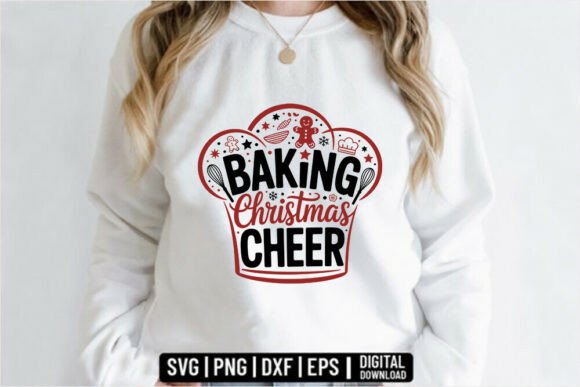
Opening the file package, the first thing that stands out is the cohesive narrative of the artwork. The Christmas Baking Crew isn't just a random collection of icons; it feels like a scene waiting to happen. The shapes are rounded and friendly, suggesting a cozy, domestic warmth that fits perfectly with the current trend of "cottage core" holiday aesthetics. For an embroiderer, the line weight and spacing in the vector files are crucial indicators of how well the design will digitize or serve as a template for appliqué.
The layout suggests a group dynamic—perhaps little gingerbread figures or festive baking tools gathered together. This kind of visual storytelling is gold for Etsy sellers and boutique owners because it creates an emotional connection before the customer even touches the fabric. However, from a technical standpoint, I immediately looked for potential trouble spots: tight corners, extremely thin lines that might get lost in stitching, and areas where stitch density could become an issue if converted directly into a dense fill.
Real-World Application: From Vector to Stitch
To truly test the viability of Christmas Baking Crew - Christmas Baking, I imagined a specific client request: a custom order for a local bakery wanting branded aprons and tote bags for their holiday staff. This is a common scenario for craft business owners who need to deliver high-quality custom apparel that withstands frequent washing and active use.
If I were to use these graphics as a base for a digitized machine embroidery design, the clean lines of the SVG and EPS files would make the conversion process smoother. The distinct shapes are ideal for a mix of satin stitch borders and fill stitch bodies. For a tote bag design, I would recommend a slightly heavier density to ensure the design pops against canvas or heavy cotton. On a softer item, like a sweatshirt embroidery project, the design's open spaces would allow the fabric texture to breathe, preventing that stiff, cardboard-like feel that cheapens a handmade product.
For those who aren't digitizing from scratch but are using these files for heat transfer vinyl (HTV) or sublimation blanks, the PNG and DXF formats offer immediate utility. The resolution appears sharp enough for large-format printing on pillow covers or wall art, making it a versatile design asset for a small shop product line that extends beyond just thread.
Navigating Technical Challenges and Fabric Choices
While the aesthetic appeal is strong, practical application requires caution. When working with the Christmas Baking Crew concept on textured fabrics like waffle weave kitchen towels or fuzzy fleece, small details can get lost. If the original graphic includes tiny text or intricate facial features on the "crew" characters, these might need simplification during the digitizing phase. A running stitch might be too subtle on a looped towel, requiring a switch to a thicker satin column or a simplified outline.
Dark fabrics present another consideration. If you are stitching this onto a navy blue sweatshirt or a black apron, your thread colors need high contrast. The design relies on clarity; if the baking crew blends into the background, the charm is lost. I always advise running a black-and-white mockup first to check the value contrast before committing to the hoop.
Curved surfaces, such as caps or structured hats, require careful hooping. The width of the "crew" arrangement needs to be measured against your available hoop size. If the design is too wide, it might distort over the curve of a cap front panel. In such cases, scaling down the image or separating the elements into two smaller clusters might be necessary to maintain structural integrity.
Stabilizer and Stitching Strategy
No matter how good the source file is, the finished product lives or dies by the stabilizer. For stretchy fabrics like baby onesies or performance tees, a cut-away stabilizer is non-negotiable to prevent puckering over time. Since this design likely involves multiple color changes if fully embroidered, registration is key. I recommend testing the alignment on scrap fabric of the same weight and texture as your final material. This step saves money on ruined garments and builds customer trust when they receive a flawless item.
Commercial Viability and Brand Consistency
For commercial embroidery professionals, consistency is the backbone of reputation. Using a cohesive set like Christmas Baking Crew - Christmas Baking helps maintain brand consistency across different products. Whether it's a patch for a uniform, an embroidered detail on a holiday blanket, or a printable mockup for an online listing, the visual language remains the same. This recognition factor boosts buyer engagement and makes your Etsy listings or craft fair booth look professional and curated.
However, a critical reminder for all creators: always verify the licensing terms associated with these Graphics and Crafts files before selling. While the product description mentions readiness for major electronics and various formats, it does not explicitly state commercial usage rights for the final stitched goods or digital resales. Ensure you have the right to sell finished items featuring this design to avoid legal pitfalls.
Final Verdict for the Holiday Season
The Christmas Baking Crew - Christmas Baking collection offers a delightful foundation for holiday creativity. Its strength lies in its adaptability; it works equally well as a direct print element or as a robust template for embroidery digitization. By paying attention to fabric texture, choosing the right stabilizer, and respecting the limitations of small hoops or dark backgrounds, you can transform these digital files into cherished personalized gifts and profitable inventory.
Whether you are creating a single embroidered patch for a friend or rolling out a full line of holiday embroidery for your store, this design set has the visual personality to succeed. Just remember to test, adjust, and stitch with intention. That is the difference between a generic craft item and a premium handmade product that customers will treasure for years.